 Расследование

- Тип:
- Новости отрасли
- Дата
- 2026-Jun-22
Новости
Дом / Новости / Новости отрасли / Две двери, два засова, полная безопасность: техническое сравнение складных двухдверных клеток для собак с однодверными и фиксированными клетками
Отношения между людьми и собаками значительно изменились за тысячи лет. То, что когда-то начиналось как рабочее партнерство, превратилось в глубокую эмоциональную связь. Сегодня собаки являются членами семьи, и их безопасность, комфорт и благополучие являются главными приоритетами для владельцев во всем мире.
Среди необходимых инструментов ответственного содержания собаки выделяется клетка или клетка. Качественный ящик обеспечивает безопасное убежище для домашних тренировок, безопасное пространство во время путешествия, контролируемую среду для восстановления после операции и знакомое убежище при посещении новых мест. Однако не все ящики одинаковы. Складная двухдверная клетка для собак представляет собой значительный прогресс в конструкции клеток, предлагая уникальные преимущества в безопасности, удобстве и универсальности.
В этой статье представлено всестороннее техническое сравнение складных двухдверных клеток для собак с традиционными однодверными и фиксированными клетками. Мы рассмотрим механизм дверного запирания с двумя болтами, преимущества двойных точек входа, портативность складывания, конструкцию материала и выбор размера. Для специалистов по закупкам, розничных продавцов и покупателей товаров для домашних животных это руководство служит справочником по выбору подходящей клетки для собак разных размеров, темпераментов и сценариев использования.
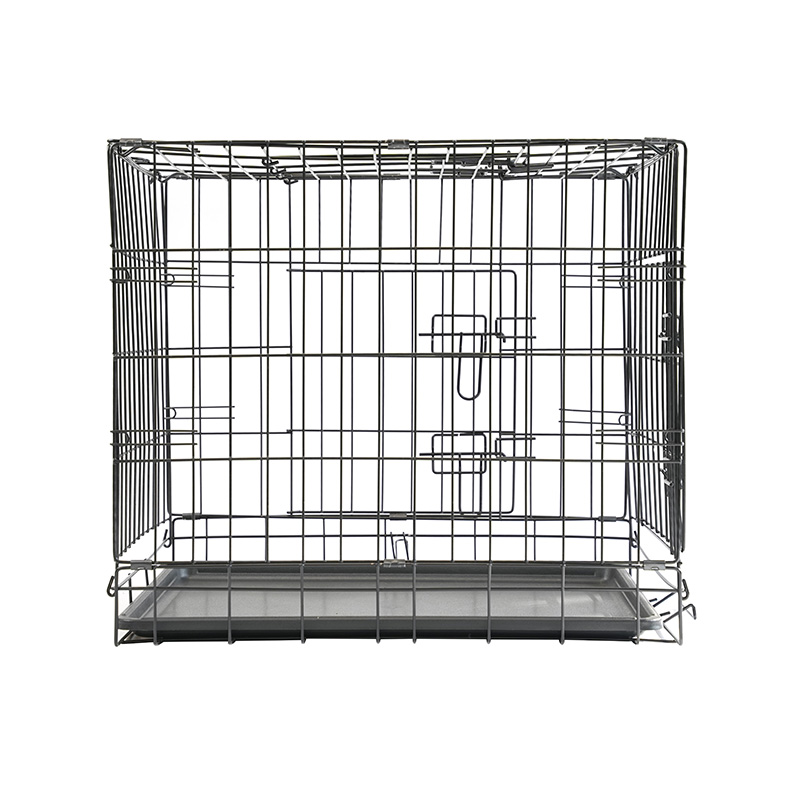
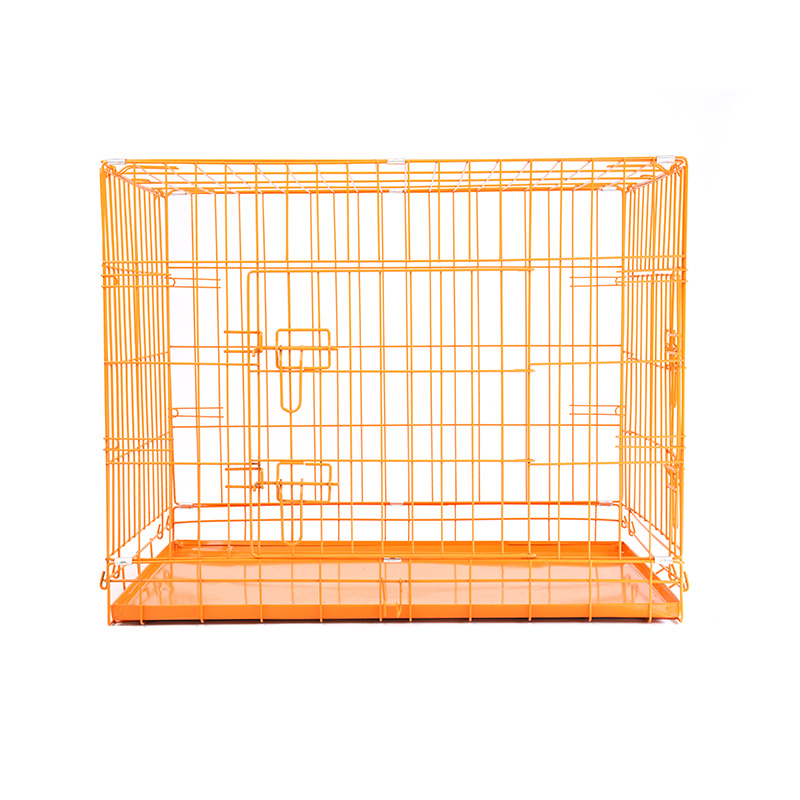
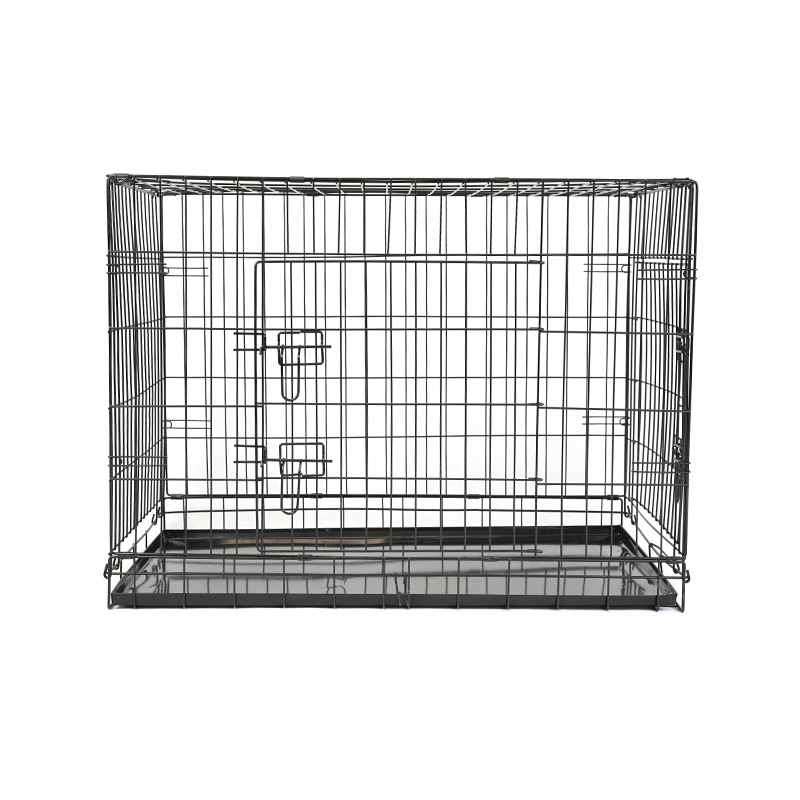
Складная 2-дверная клетка для собак представляет собой металлический вольер с двумя отдельными входами и разборной конструкцией для хранения и транспортировки. Две двери обычно расположены на соседних сторонах, например, на передней и одной стороне, или на противоположных концах ящика. Эта конфигурация с двумя дверями отличает его от стандартных ящиков с одной дверью.
В механизме складывания используются шарнирные точки по углам, что позволяет ящику складываться в плоскую форму, когда он не используется. В сложенном виде ящик уменьшается до небольшой части своего размера в собранном виде, обычно от 5 до 10 сантиметров в толщину. Эта портативность является основным преимуществом для владельцев домашних животных, которые путешествуют или живут в квартирах с ограниченным пространством для хранения вещей.
Наиболее важной функцией безопасности складной двухдверной клетки для собак является система блокировки дверей с двумя болтами. Каждая дверь крепится двумя независимыми скользящими засовами: один вверху двери, другой внизу. Чтобы открыть дверь, пользователю необходимо ослабить оба засова. Такая конструкция значительно затрудняет побег собаки, если она толкнет или поцарапает одну точку защелки.
Двухдверная конфигурация обеспечивает практические преимущества при размещении ящиков. Владелец может расположить ящик наиболее удобной дверцей наружу, независимо от того, стоит ли ящик в углу, у стены или в грузовом отсеке автомобиля. Вторая дверь может служить запасным выходом или точкой доступа для уборки.
Механизм блокировки двери является наиболее важным компонентом безопасности любой клетки для собак. Неудача здесь может привести к побегу, травме или чему-то еще худшему. Конструкция двери с двумя засовами, используемая в качественных складных двухдверных клетках для собак, предлагает значительные преимущества по сравнению с системами с одной защелкой.
В двери с одной защелкой обычно используется один скользящий болт или подпружиненная защелка в центре двери. Хотя эта конструкция подходит для спокойных собак, решительные мастера побега могут научиться толкать или лапать защелку, пока она не откроется. Было замечено, что некоторые собаки цеплялись лапами за проволоку, чтобы манипулировать единственной защелкой изнутри.
Конструкция с двумя болтами обеспечивает запирание как вверху, так и внизу двери. Чтобы открыть дверь, пользователь должен сдвинуть оба засова одновременно или последовательно. Для этого требуются два отдельных действия, которые собака не может выполнить лапой или мордой. Два болта также распределяют удерживающую силу по высоте двери, предотвращая прогибание или прогибание двери, когда на нее нажимает собака.
| Особенность | Дверь с двумя болтами | Одинарная центральная защелка |
|---|---|---|
| Количество точек блокировки | Два верха и низа | Один центр |
| Сопротивление побегу | Очень высокий требует скоординированных действий | Умеренными могут манипулировать умные собаки. |
| Сопротивление изгибу двери | Отличная сила, распределенная равномерно | Плохая дверь может прогибаться сверху и снизу. |
| Простота эксплуатации для человека | Легко использовать два пальца | Очень легко, одним пальцем |
| Долговечность механизма | Высокая меньшая нагрузка на болт | Умеренный одиночный болт выдерживает всю силу |
| Лучшее приложение | Художники по побегам, крупные породы, путешествия | Спокойные маленькие собаки, временное пользование. |
Многие конструкции с двумя затворами также включают дополнительный предохранитель или подпружиненную кнопку, которую необходимо нажимать при перемещении засовов. Это добавляет еще один уровень безопасности: даже если собаке удастся сдвинуть один засов, дверь останется запертой.
Владельцам пород, известных склонностью к побегу, таких как хаски, немецкие овчарки и терьеры, настоятельно рекомендуется конструкция двери с двумя засовами. Душевное спокойствие, которое приходит от осознания того, что собака не может открыть дверь, неоценимо.
Наличие двух дверей в складной клетке для собак дает практические преимущества, выходящие за рамки простого удобства.
Ящик с одной дверью должен быть расположен так, чтобы дверь была обращена к месту, откуда владелец будет иметь доступ к ящику. Если ящик стоит в углу или у стены, дверь должна быть обращена наружу, в комнату. Это может быть проблематично в небольших помещениях, где для открывания двери требуется зазор. В ящике с двойной дверью владелец может выбрать, какую дверь использовать в качестве основного входа. Ящик можно разместить одной дверью у стены, а другая дверь по-прежнему будет обеспечивать доступ.
Во время путешествия на автомобиле ящик с двойной дверью обеспечивает гибкость в размещении. Ящик можно разместить в грузовом отсеке боковой дверью к задней двери для облегчения погрузки или передней дверью к заднему сиденью для доступа изнутри автомобиля. Эта адаптируемость особенно ценна для владельцев, которые перевозят собак в транспортных средствах различной конфигурации.
Вторая дверь также служит точкой доступа для чистки. Съемный лоток можно выдвинуть из боковой двери, в то время как передняя дверь остается закрытой, удерживая собаку. Это безопаснее, чем открывать входную дверь и рисковать, что собака убежит, пока хозяин будет мыть лоток.
В семьях с несколькими собаками в качестве прохода можно использовать клетку с двойной дверью. Ящик можно разместить между двумя комнатами или между внутренним пространством и открытой прогулкой, при этом в каждую зону открывается одна дверь. Владелец может закрыть собаку в клетке, открыть другую дверь и позволить собаке перейти во вторую зону без риска побега.
В таблице ниже приведены преимущества конфигурации с двумя дверями в различных случаях использования.
| Вариант использования | Ограничение одной двери | Преимущество двойной двери |
|---|---|---|
| Угловое размещение | Дверь должна быть обращена в комнату | Вторая дверь обеспечивает альтернативный доступ |
| Путешествие на автомобиле | Фиксированное направление загрузки | Выберите переднюю или боковую дверь для погрузки |
| Очистка | Собаку необходимо убрать или оставить дверь открытой. | Очистите лоток через вторую дверцу |
| Экстренный доступ | Только один путь выхода | Вторая дверь обеспечивает путь эвакуации |
| Управление несколькими собаками | Невозможно отделить, не передвигая ящик. | Возможна сквозная конфигурация |
Складной механизм – это то, что отличает складную двухдверную клетку для собак от фиксированной или сварной клетки. Эта конструктивная особенность сделала качественные клетки доступными для миллионов владельцев домашних животных, которые раньше не могли разместить постоянную клетку.
В собранном виде складной ящик обеспечивает такую же прочность и безопасность, как и фиксированный ящик. Угловые соединения усилены металлическими втулками или защелками, которые фиксируются на месте при открытии ящика. После полной сборки эти соединения становятся жесткими и не прогибаются при нормальном использовании.
Когда требуется разборка, владелец освобождает угловые замки и складывает ящик. Боковые панели складываются внутрь, а верхняя и нижняя панели прижимаются к бокам. Весь ящик превращается в плоскую упаковку толщиной примерно от 5 до 10 сантиметров. Для ящика размером 91 сантиметр размеры в сложенном виде составляют примерно 91 на 10 на 66 сантиметров.
Эта плоская форма легко помещается в багажник автомобиля, стоит вертикально в шкафу или помещается под кровать. Для жителей квартир, у которых нет гаража или подвала, это меняет правила игры. Клетка можно использовать при необходимости, а затем хранить вне поля зрения, когда приходят гости или когда собака больше не требует содержания.
Складная конструкция также улучшает процесс доставки и логистики для дистрибьюторов. Сложенные ящики занимают часть места собранных ящиков, что снижает затраты на доставку и требования к складскому хранению. Транспортный контейнер, вмещающий 500 собранных ящиков, может вместить более 2000 сложенных ящиков.
Когда вы выбираете складной Складная 2-дверная клетка для собак , учтите легкость механизма складывания. В качественных конструкциях используются подпружиненные угловые замки, которые автоматически срабатывают при открытии ящика. Пользователь сможет установить ящик менее чем за две минуты без инструментов.
Прочность любой металлической клетки для собак зависит в первую очередь от сечения проволоки, использованной в ее конструкции. Калибр проволоки относится к толщине металлической проволоки. В американской системе калибра проводов меньшие числа указывают на более толстую проволоку.
Для складной двухдверной клетки для собак калибр проволоки должен быть достаточным для предполагаемого размера собаки, но при этом оставаться достаточно легким для портативности. Складной механизм добавляет сложности, поэтому проволока должна быть достаточно прочной, чтобы сохранять жесткость в точках шарнира.
| Вес собаки | Рекомендуемый калибр проволоки | Диаметр проволоки | Типичные породы |
|---|---|---|---|
| До 5 кг | 16 калибр | 1,6 мм | Чихуахуа, Йорки, Той-пудель |
| от 5 до 15 кг | 14 калибр | 1,9 мм | Ши-тцу, Французский бульдог, Мопс |
| от 15 до 25 кг | от 12 до 13 калибра | от 2,3 до 2,7 мм | Бигль, Кокер Спаниель, Стафф |
| от 25 до 35 кг | 11 калибр | 3,0 мм | Бордер-колли, австралийская овчарка |
| от 35 до 45 кг | 10 калибр | 3,4 мм | Лабрадор, немецкая овчарка |
| 45 кг и выше | 9 калибр | 3,8 мм | Немецкий дог, мастиф |
Для собак, которые, как известно, жуют или копают стенки клетки, выбирайте на один калибр толще стандартной рекомендации. Упорный женец может в конечном итоге повредить даже толстую проволоку, но использование более толстого провода продлевает время до того, как произойдет повреждение.
Расстояние между проводами или размер сетки также имеют значение. Расстояние между проводами должно быть достаточно небольшим, чтобы голова, ноги или зубы собаки не застряли. Для маленьких собак весом до 10 кг рекомендуется расстояние 2,5 сантиметра или меньше. Для средних собак допустимо расстояние в 5 сантиметров. Для крупных собак обычное расстояние составляет от 7,5 до 10 сантиметров.
Выбор правильного размера клетки имеет важное значение для безопасности и комфорта собаки. Слишком маленький ящик ограничивает движение и может привести к телесным повреждениям. Слишком большая клетка может использоваться собакой как ванная комната: собака будет убираться в одном углу и спать в другом.
Правильный размер позволяет собаке вставать, не ударяясь головой, легко поворачиваться и лежать, вытянувшись. Чтобы измерить собаку для клетки, измерьте расстояние от кончика носа до основания хвоста. Добавьте от 5 до 10 сантиметров для места стоя. Измерьте расстояние от пола до макушки головы, пока собака сидит. Это минимальная необходимая высота.
В таблице ниже приведены общие рекомендации по размерам собак распространенных пород, использующих складную двухдверную клетку для собак. Отдельные собаки различаются, поэтому всегда рекомендуется проводить фактические измерения.
| Размер ящика | Длина х Ширина х Высота (см) | Рекомендуемые породы | Вес собаки Range |
|---|---|---|---|
| 61 см Маленький | 61 х 43 х 51 | Ши-тцу, Мальтийская болонка, Французский бульдог | от 5 до 10 кг |
| 76 см Средний | 76 х 51 х 58 | Бигль, Кокер-спаниель, Мопс | от 10 до 18 кг |
| 91 см Большой | 91 х 58 х 64 | Бордер-Колли, Стаффи, Австралийская Овчарка | от 18 до 27 кг |
| 107 см очень большой | 107 х 66 х 71 | Лабрадор, Золотистый ретривер, Боксер | от 27 до 36 кг |
| 122 см XX Большой | 122 х 76 х 81 | Немецкая овчарка, Ротвейлер, Хаски | от 36 до 45 кг |
| 137 см ХХХ Большой | 137 х 86 х 91 | Немецкий дог, мастиф, Saint Bernard | 45 кг |
Для щенков настоятельно рекомендуется использовать клетку с перегородкой. Перегородка позволяет владельцу уменьшить внутреннее пространство, когда щенок маленький, а затем отодвинуть перегородку назад по мере роста щенка. Это не позволит щенку использовать один угол в качестве ванной, пока он спит в другом, что ускоряет приучение к дому.
Качественная складная двухдверная клетка для собак включает в себя съемный пластиковый лоток, который устанавливается на дне клетки. Этот лоток выполняет множество функций и является важным компонентом общего дизайна.
Основная функция лотка – сбор мусора. Когда щенок попадает в аварию или собака проливает воду, поднос удерживает грязь и предотвращает ее попадание на пол. Лоток обычно изготавливается из полиэтилена высокой плотности или АБС-пластика — прочных, непористых и устойчивых к пятнам материалов.
Лоток должен сниматься без инструментов. В большинстве конструкций предусмотрен поднос, который выдвигается через одну из дверей. В некоторых ящиках есть лоток, занимающий всю площадь пола, в то время как в других используется лоток немного меньшего размера, расположенный внутри приподнятой кромки. Полный напольный поддон легче чистить, но его сложнее снять в ограниченном пространстве.
Для очистки лоток следует мыть мягким мылом и теплой водой. Агрессивные химические вещества, такие как отбеливатель или аммиак, могут со временем повредить пластик и создать вредные для собаки пары. Для дезинфекции используйте одобренное ветеринаром дезинфицирующее средство, разведенное в соответствии с инструкциями.
Лоток также способствует устойчивости ящика. Вес лотка понижает центр тяжести, что затрудняет опрокидывание ящика. Некоторые лотки имеют текстурированную поверхность или нескользящие накладки, которые предотвращают скольжение ящика по гладкому полу.
Когда лоток установлен на место, он должен плотно прилегать без зазоров. Зазоры между лотком и стенками ящика позволяют отходам стекать на пол. В качественных ящиках используются лотки с приподнятыми краями, которые перекрывают нижнюю проволоку, образуя замкнутую чашу.
Безопасность – первостепенная задача для любой клетки для собак. Необходимо устранить два конкретных риска: опрокидывание ящика и побег собаки. Складная двухдверная клетка для собак спроектирована таким образом, чтобы свести к минимуму оба риска.
Опрокидывание происходит, когда собака внутри клетки внезапно меняет свой вес или прыгает на стены. Высокий и узкий ящик с большей вероятностью опрокинется, чем низкий и широкий ящик. Складная двухдверная клетка для собак обычно имеет площадь основания, которая шире, чем высота, что обеспечивает устойчивое основание. Съемный лоток добавляет вес внизу, понижая центр тяжести.
Для дополнительной устойчивости некоторые складные ящики имеют резиновые ножки по нижним углам. Эти ножки захватывают поверхность пола, предотвращая скольжение, которое может привести к опрокидыванию. При использовании в транспортных средствах точки крепления позволяют закрепить ящик к полу транспортного средства.
Предотвращение побега зависит от конструкции двери с двумя засовами и расстояния между проводами. Два болта гарантируют, что дверь останется закрытой, даже если собака толкнет ее изнутри. Расстояние между проводами не позволяет собаке просунуть голову или лапы в щели, чтобы манипулировать защелками или жевать конструкцию клетки.
Прочная металлическая конструкция качественных складных двухдверных клеток для собак обеспечивает прочную конструкцию, устойчивую к изгибу и деформации. Решительная собака не может раздвинуть стены наружу, чтобы создать достаточно большую брешь, чтобы убежать. Сварные соединения проволочной сетки достаточно прочны, чтобы выдерживать многократные удары.
Владельцам особенно сильных и решительных собак следует выбирать клетки с усиленными углами и более толстой проволокой в местах стресса. Некоторые производители предлагают модели с защитой от побега с двойными слоями проволоки или с расстоянием между проволоками, уменьшенным до 4 сантиметров, даже для больших ящиков.
Металлические клетки для собак подвергаются воздействию влаги из мочи, чистящих растворов и влажности окружающей среды. Без защиты от коррозии металл будет ржаветь, нарушая структурную целостность и создавая острые опасные края.
Основным металлом большинства складных двухдверных клеток для собак является углеродистая сталь. Углеродистая сталь прочна и доступна по цене, но легко ржавеет под воздействием влаги. Чтобы предотвратить ржавчину, сталь должна иметь защитное покрытие.
Порошковая покраска – наиболее распространенный вариант отделки складных клеток для собак. Электростатически заряженный сухой порошок распыляется на металл, а затем запекается в печи. Порошок плавится и стекает в сплошное покрытие. Порошковое покрытие долговечно, устойчиво к царапинам и доступно во многих цветах, включая черный, серый и бронзовый.
Цинкование или гальванизация обеспечивают другой тип защиты. Тонкий слой цинка наносится на сталь гальванопокрытием или горячим погружением. Цинк корродирует преимущественно, чем сталь, жертвуя собой ради защиты основного металла. Оцинкованные покрытия очень долговечны и имеют тускло-серый вид.
| Материал | Коррозионная стойкость | Стоимость | Типичное применение |
|---|---|---|---|
| Сталь с порошковым покрытием | Хорошо, если покрытие цело. | От низкого до умеренного | Домашнее использование, розничные ящики |
| Оцинкованная сталь | Очень хорошо, даже если поцарапать | Умеренный | Использование на открытом воздухе, коммерческие питомники |
| Нержавеющая сталь | Отличный практически невосприимчивый | Высокий | Ветеринарные клиники, исследования |
| Сталь без покрытия | Бедный, быстро ржавеет | Очень низкий | Не рекомендуется для любого использования |
Для домашнего использования в сухом климате достаточно порошковой покраски. Для прибрежных районов с соленым воздухом или для ящиков, хранящихся в гаражах или на открытом воздухе, рекомендуется использовать оцинкованную или нержавеющую сталь. Для любого ящика, который будет часто мыться водой, убедитесь, что отделка рассчитана на воздействие влаги.
Разные варианты использования требуют разных функций ящика. Складная двухдверная клетка для собак достаточно универсальна для многих применений, но покупатели должны учитывать особые потребности.
Для домашнего воспитания щенка необходима клетка с перегородкой. Перегородка позволяет владельцу регулировать внутреннее пространство по мере роста щенка. Начните с установки перегородки, чтобы у щенка было достаточно места, чтобы стоять, поворачиваться и лежать. Это не позволит щенку использовать один угол как ванную. По мере того, как щенок подрастет, отодвиньте перегородку назад.
Для путешествий на автомобиле необходим ящик со встроенными точками крепления. Ящик должен быть прикреплен к полу автомобиля или грузовому отсеку, чтобы предотвратить его перемещение во время резких остановок или поворотов. Здесь важна двухдверная конфигурация, поскольку в упакованном грузовом отсеке боковая дверь может быть более доступной, чем передняя.
Для использования на открытом воздухе, например, в крытом патио или гараже, требуется конструкция из оцинкованной или нержавеющей стали. Порошковое покрытие со временем выйдет из строя под воздействием погодных условий. Ящик должен иметь крышу или находиться под навесом для защиты от прямого дождя и солнца.
В ветеринарных клиниках и салонах груминга штабелируемые ящики позволяют максимально увеличить площадь помещения. Эти ящики имеют плоские верха и утопленные ролики, что позволяет штабелировать их на несколько единиц высоты. Двухдверная конструкция обеспечивает доступ спереди или сбоку, что полезно, когда ящики уложены в тесной конфигурации.
Для собак-мастеров побега доступны усиленные клетки с более толстой проволокой, двойными засовами на обеих дверцах и усиленными углами. Эти клетки значительно тяжелее и дороже стандартных, но обеспечивают безопасность собак, которые разрушили стандартные клетки.
Складная двухдверная клетка для собак представляет собой сочетание безопасности, удобства и портативности. Для современного владельца собаки эта категория продуктов предлагает решения проблем, которые традиционные клетки не могли решить.
Конструкция двери с двумя засовами обеспечивает исключительную устойчивость к побегу, давая владельцам уверенность в том, что их собака останется в безопасности. Конфигурация с двумя дверями обеспечивает гибкость в размещении и доступе, адаптируясь к различным помещениям, транспортным средствам и ситуациям. Складной механизм позволяет компактно хранить ящик, когда он не используется, что очень важно для жителей квартир и частых путешественников.
Выбирая складную двухдверную клетку для собак, отдайте предпочтение качеству запирающего механизма, калибру проволоки и отделке. Хорошо сделанная клетка прослужит всю жизнь собаки и может быть передана будущим домашним животным. Следите за плавностью работы складных соединений, надежным зацеплением дверных задвижек и плотно прилегающим съемным лотком.
Для дистрибьюторов и розничных продавцов складная двухдверная клетка для собак представляет собой универсальный продукт, который понравится широкому кругу покупателей. От владельцев щенков, впервые появившихся в жизни, до опытных заводчиков, от жильцов квартир до путешественников на автодомах — спрос на качественные, безопасные и портативные клетки продолжает расти.
Понимая технические характеристики и сравнения, представленные в этой статье, покупатели могут с уверенностью выбрать подходящую складную двухдверную клетку для собак, соответствующую их конкретным потребностям. Безопасность и комфорт собаки в сочетании с удобством и спокойствием владельца делают эту категорию продуктов выгодной инвестицией.
В1: Нужна ли конструкция двери с двумя болтами на складной двухдверной клетке для собак всем собакам?
О: Нет, конструкция с двумя засовами наиболее необходима для крупных пород, решительных художников, стремящихся к побегу, или собак с тревогой, которые могут толкнуть дверь или лапой. Для спокойных маленьких собак весом до 10 кг может быть достаточно одной дверцы с защелкой. Однако для любой собаки, которая ранее сбежала из клетки, настоятельно рекомендуется использовать конструкцию с двумя болтами. Дополнительная безопасность обеспечивает спокойствие независимо от размера собаки.
В2: Можно ли постоянно использовать складную двухдверную клетку для собак на открытом воздухе?
О: Да, но с особыми требованиями. Ящик должен быть изготовлен из оцинкованной или нержавеющей стали, чтобы защититься от ржавчины. Стандартные ящики с порошковым покрытием ржавеют в течение нескольких месяцев под воздействием дождя и влажности. Ящику нужна крыша или навес для защиты от прямых солнечных лучей и дождя. Дно должно быть приподнято над землей, чтобы предотвратить впитывание влаги. Отдельный спальный ящик внутри вольера обеспечивает дополнительное укрытие.
В3: Как очистить съемный лоток складной двухдверной клетки для собак?
О: Снимите лоток, выдвинув его через одну из дверей. Вымойте мягким мылом для посуды и теплой водой. Для дезинфекции используйте одобренное ветеринаром дезинфицирующее средство, разведенное в соответствии с инструкциями. Избегайте использования отбеливателей и аммиака, которые могут повредить пластик и создать вредные для собаки пары. Тщательно высушите перед заменой. При сильном загрязнении можно нанести пасту из пищевой соды и воды, оставить на 15 минут, а затем аккуратно потереть.
В4: Каков предел веса складной двухдверной клетки для собак?
О: Ограничения по весу зависят от сечения провода и конструкции. В клетке длиной 91 сантиметр с проволокой 12 калибра можно безопасно содержать собак весом до 27 килограммов. В ящике длиной 107 см с проволокой 11 калибра могут находиться собаки весом до 36 кг. В клетке размером 122 сантиметра с проволокой 10 калибра могут находиться собаки весом до 45 килограммов. Всегда проверяйте спецификации производителя. Превышение предельного веса может привести к тому, что ящик прогнется или выйдет из строя в местах складывания.
Вопрос 5: Как предотвратить расшатывание механизма складывания со временем?
Ответ: В качественных складных ящиках используются подпружиненные угловые замки или защелки, которые поддерживают натяжение. Чтобы продлить срок службы механизма, всегда полностью открывайте клетку до тех пор, пока все замки не защелкнутся на месте, прежде чем помещать туда собаку. Не открывайте и не закрывайте ящик силой. Ежегодно смазывайте точки шарниров сухим силиконовым спреем. Избегайте смазок на нефтяной основе, которые притягивают грязь. Если угловой замок ослаб, проверьте, нет ли в запирающем механизме погнутого металла или мусора.